
100 Most Interesting City Palaces
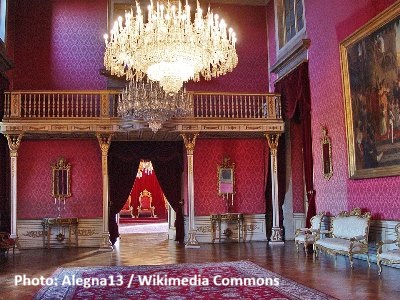
Perched high upon a scenic hilltop overlooking the glittering Tagus River, the majestic Ajuda National Palace stands as a brilliant monument to late Baroque and neoclassical royal opulence. Built to replace the royal residence destroyed in the Great Earthquake of 1755, this imposing limestone fortress cocoons some of the most spectacularly preserved interiors in Europe. Walking through the grand throne room or beneath the enormous crystal chandeliers of the banquet hall—where pristine silk wall coverings, gilded mirrors, and priceless tapestries remain exactly as the royals left them—offers travelers an exceptionally rich and authentic glimpse into the final chapter of the Portuguese monarchy.
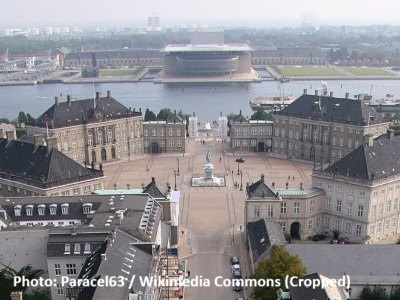
Serving as the elegant, beating heart of Danish royal heritage, the grand Amalienborg complex is a world-class masterpiece of rococo architecture nestled in the center of Copenhagen. This unique palace consists of four identical noble mansions arranged symmetrically around a massive, octagonal cobblestone square centered on a monumental equestrian statue of King Frederik V. Witnessing the iconic Changing of the Guard ceremony by the royal lifeguards, or exploring the historic museum rooms filled with the personal treasures of the Schleswig-Holstein-Sonderburg-Glücksburg dynasty, delivers a quintessentially regal and unforgettable Scandinavian experience.

A breathtaking, sun-drenched labyrinth of pristine marble courtyards, fragrant jasmine gardens, and highly decorative rooms, the Bahia Palace is a 19th-century masterclass in Moroccan craftsmanship. Intended to capture the essence of Islamic luxury, its sprawling, two-acre complex features exceptionally beautiful carved cedarwood ceilings, intricate geometric zellij tiling, and hand-painted plasterwork arches. Wandering through the grand tiled courtyard—where brilliant shadows play against pure white masonry as the afternoon sun passes overhead—treats travelers to an enchanting and peaceful sensory escape right inside the ancient heart of Marrakech.
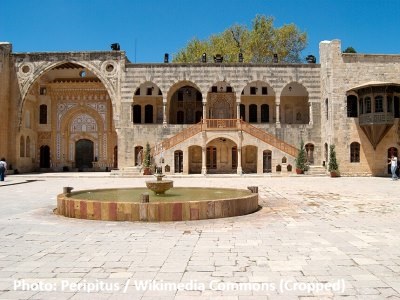
Dramatically anchored to a rugged mountain ridge high above a plunging valley in the Chouf Mountains, the spectacular Beiteddine Palace stands as a legendary triumph of early 19th-century Lebanese architecture. Built by Emir Bashir Shihab II, this majestic complex features three grand stone courtyards seamlessly blending traditional Levantine masonry with elegant Italianate styling. Exploring its soaring reception halls, intricate stained-glass galleries, and monumental Turkish baths—which house a world-famous collection of ancient Byzantine mosaics—delivers an extraordinarily romantic, slow-paced journey into the golden age of Middle Eastern design.
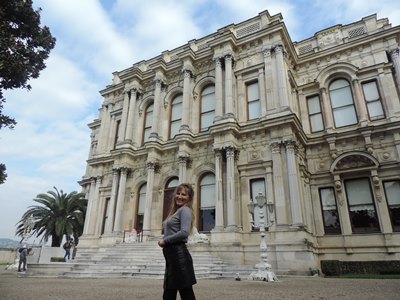
Gleaming spotlessly along the sun-drenched Asian banks of the deep blue Bosphorus Strait, the magnificent Beylerbeyi Palace stands as the ultimate, luxurious summer sanctuary of the Ottoman sultans. Built from pristine white marble in a highly decorative French neo-Baroque style, its heavy masonry exterior hides an interior packed with global treasures, including massive Bohemian crystal chandeliers, French clocks, and elegant Egyptian reed matting. Relaxing beside the grand marble pools inside the monumental reception hall while watching historic maritime ferries glide right past the windows offers a profoundly atmospheric and romantic bridge between continents.

Boasting an exceptionally iconic, neoclassical Portland stone facade, the world-famous Buckingham Palace stands proudly as the defining symbol of British pride and London heritage. Serving as the official working headquarters of the British monarch, this colossal, 775-room palace features a sweeping parade ground that hosts the globally celebrated Changing of the Guard ceremony. Stepping inside the magnificent grand ballroom and the gilded state rooms during the summer opening months allows travelers to walk among priceless masterpieces of Renaissance art, capturing the ultimate, royal romance of the United Kingdom.

Widely celebrated as the absolute peak of Far Eastern garden architecture and royal landscaping, the magnificent, UNESCO-listed Changdeokgung Palace is a soul-stirring masterstroke of the ancient Joseon dynasty. Unlike rigid, symmetrical structures, this pristine palace core was engineered to flow organically around the natural valleys and ridges of the mountain. Wandering through its legendary Huwon (Secret Garden)—where centuries-old lotus ponds, delicate wooden pavilions, and massive old trees sit beautifully untouched—provides travelers with an exceptionally peaceful, spiritual, and high-quality connection to Korea’s imperial heritage.

Nestled right in the historic heart of Seoul and seamlessly connected to neighboring royal grounds, the elegant Changgyeonggung Palace stands as a deeply moving monument to the family devotion of the Joseon monarchs. Originally built by King Sejong to provide a peaceful, luxurious sanctuary for his retiring father, this beautiful park-like complex features historic wooden pavilions with intricate, red-and-green painted eaves. Strolling around its vast, quiet Chundangji pond—where wild ducks glide beneath weeping willow branches next to Korea’s first historic, Western-style royal greenhouse—offers a wonderfully serene and authentic escape into old Asian antiquity.
* All images on this page are sourced from Wikimedia Commons and used in accordance with their respective Creative Commons licenses. Individual author credits are indicated directly on each photograph.