
100 Most Powerful Fortresses
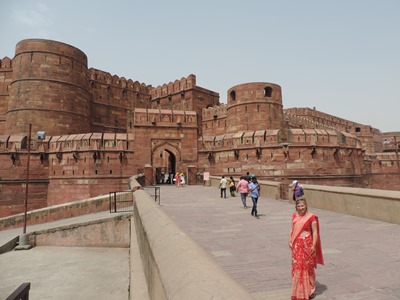
Rising rowly along the banks of the Yamuna River, the monumental Agra Fort stands proudly as an absolute masterpiece of Mughal military architecture. Built from massive blocks of fiery red sandstone, this sweeping, UNESCO-listed imperial citadel features multi-tiered defensive walls that cocoon extraordinarily elegant white marble palaces, grand audience halls, and quiet courtyards. Standing beside its ornate stone balconies offers travelers an exceptionally panoramic, romantic view that frames the nearby Taj Mahal in the distance, capturing the true, majestic romance of India’s golden age.
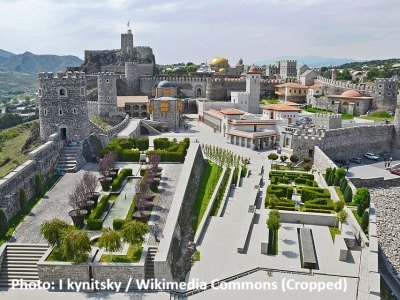
Affectionately celebrated as Rabati Castle, this spectacular, newly restored medieval fortress complex cascades dramatically across a rocky hill in southwestern Georgia. Serving for centuries as a vital multicultural trading post, its heavy, crenellated stone walls seamlessly blend traditional Christian watchtowers with an elegant, golden-domed Islamic mosque and geometric palace galleries. Wandering through its maze of quiet stone pathways, manicured terraces, and old citadel chambers delivers an extraordinarily romantic, slow-paced, and high-quality journey into the complex historical crossroads of Caucasian heritage.
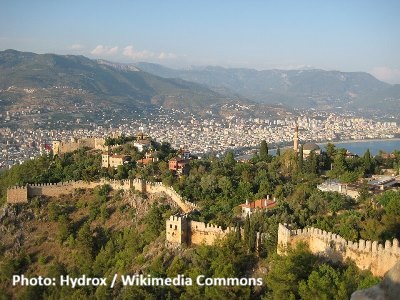
Dramatically anchored to a rugged, 250-meter-high rocky peninsula jutting straight into the deep blue Mediterranean Sea, the historic Alanya Castle is a jaw-dropping marvel of ancient naval defense. Encircled by a colossal, six-kilometer-long stone wall adorned with 140 monumental watchtowers, this rugged Seljuk citadel cuts an unforgettable silhouette against the sky. Savoring the crisp sea breeze from its highest open-air ramparts rewards travelers with a truly heart-stopping, cinematic view over the sparkling turquoise waters and soft sandy beaches far below, making it a timeless local landmark.
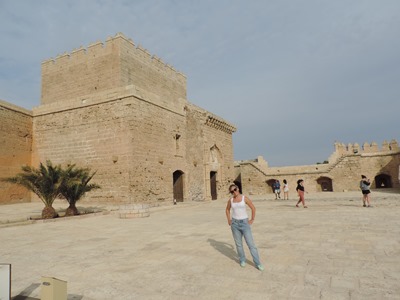
Commanding a stark, sun-drenched hill overlooking the glittering Andalusian coastline, the magnificent Alcazaba of Almería stands proudly as the second-largest Moorish fortress in Spain. Built in the 10th century by the Caliphate of Córdoba, its massive, light-toned defensive walls shield a spectacular interior of lush, water-mirrored gardens, triple-arched palaces, and ancient military quarters. Strolling through its breeze-filled, palm-lined bastions treats travelers to a deeply historic, premium, and photorealistic travel experience that captures the raw engineering genius of old Islamic Spain.
* All images on this page are sourced from Wikimedia Commons and used in accordance with their respective Creative Commons licenses. Individual author credits are indicated directly on each photograph.