
100 Most Luxurious Palace-Castles
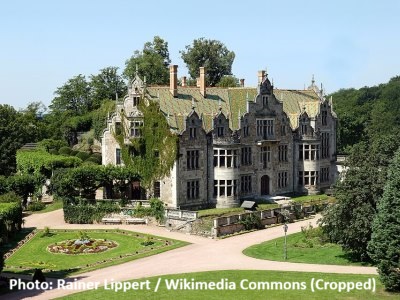
Perched gracefully amidst a vast, romantic landscape park in Thuringia, the elegant Altenstein Palace stands as a breathtaking fusion of late-Baroque and English neo-Renaissance design. Surrounded by sweeping floral terraces, artificial rock caverns, and massive old trees, this pastel-toned royal retreat was long favored by the Dukes of Saxe-Meiningen. Walking past its delicate stone balustrades while the crisp mountain air rolls in from the surrounding forest delivers a profoundly peaceful and premium sanctuary of old-world European heritage.
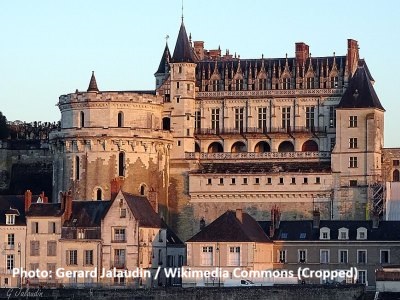
Dominating the historic Loire River panorama from its majestic rocky shelf, the Royal Château d’Amboise stands proudly as a defining cradle of the French Renaissance. Once the grand residence of kings Charles VIII and Francis I, this monumental fortress cocoons spectacularly preserved Gothic and Renaissance wings packed with tapestries. Stepping onto its sweeping stone ramparts gives travelers a panoramic look over the valley, while its delicate St. Hubert Chapel houses the final resting place of the legendary Leonardo da Vinci.
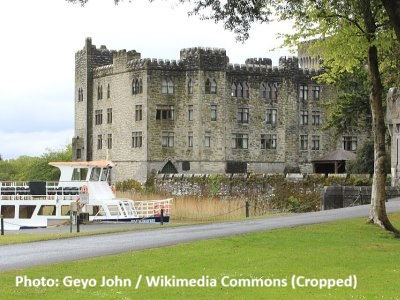
Rising peerlessly beside the shimmering waters of Lough Corrib, the legendary Ashford Castle is an absolute masterpiece of medieval and Victorian castellated grandeur. Clad in rugged grey stone with dramatic crenellated battlements, this spectacular 800-year-old estate seamlessly pairs old Irish history with запредельно lavish estate hospitality. Strolling beneath its massive old trees, exploring the ancient stone bridge, or enjoying a formal tea overlooking the emerald lake lawns delivers the ultimate, fairytale British-Isles romance.

Floating like a pristine, white-stone jewel upon an island in the center of the Indre River, the gorgeous Château d’Azay-le-Rideau is a brilliant monument to pure French Renaissance elegance. Designed during the reign of King Francis I, its delicate corner turrets, steeply pitched slate roofs, and ornate stone filigree effortlessly mirror the water below. Savoring the quiet atmosphere as the castle creates a flawless, reflective panorama on the river surface offers an exceptionally poetic and photorealistic encounter with history.

Crowned by an imposing, 30-meter-tall granite tower against the rugged Highland peaks of Aberdeenshire, the world-famous Balmoral Castle stands as the ultimate private Scottish retreat of the British Royal Family. Built in a grand Scottish Baronial style from rich local granite, this majestic estate sits enveloped by acres of pine forests, grouse moors, and manicured gardens. Exploring the surrounding estates while the fresh mountain wind rolls across the River Dee provides an exceptionally authentic and regal connection to royal history.

Affectionately celebrated as the “Versailles of Normandy,” the spectacular Château de Beaumesnil is a jaw-dropping masterstroke of early 17th-century Baroque architecture. Built from a highly distinctive contrast of rich red brick and pristine white stone, its incredibly grand facade features soaring windows covered in detailed mythological masks. Floating symmetrically within a massive, water-filled defensive moat, this elegant palace is world-famous for its majestic labyrinth gardens and centuries-old royal symmetry.
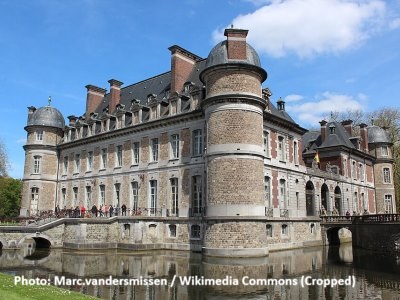
Gleaming elegantly at the center of a sprawling, 300-acre regular water park, the magnificent Belœil Castle has served as the proud ancestral seat of the princely House of Ligne since 1394. This imposing, quadrangular stone chateau features classic round corner bastions and a vast interior lined with rare paintings, period furniture, and a legendary library. Strolling past the monumental, mirror-like grand canal lines that stretch out from the palace steps offers a wonderfully serene and authentic escape into Belgian aristocratic luxury.
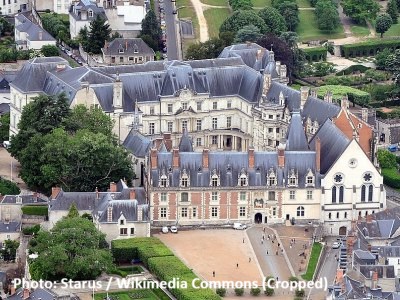
Serving as a spectacular, open-air architectural encyclopedia right in the historic heart of the city, the Royal Château de Blois was the continuous home to seven French kings. This colossal complex features four distinct wings wrapping around a grand courtyard, representing Gothic, Flamboyant, Renaissance, and Classical design. Its ultimate, world-famous визитная карточка is the magnificent, open-work spiral staircase of Francis I, which juts out like an intricate stone tower into the sky.
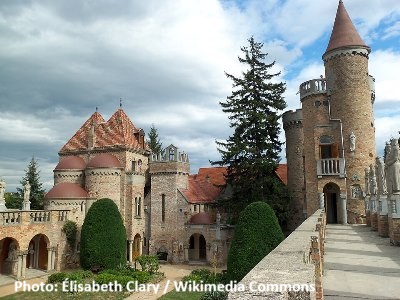
Spiraling out into the Hungarian sky like a real-life fantasy fortress of human devotion, Bory Castle is an extraordinary monument built almost entirely by the bare hands of one man. Sculptor and architect Jenő Bory spent thirty-six summers hand-pouring concrete to create this whimsical labyrinth of tapered towers, arched loggias, and hidden garden courtyards. Packed with marble sculptures, paintings, and romantic romantic terraces, walking through this unique artistic masterpiece feels like stepping straight inside a physical love letter.

Dominating the skyline from an isolated, rocky ridge of the Little Carpathians, this massive, rectangular stone fortress looks down permanently over the deep blue Danube River. With its four iconic white corner towers and clean, symmetrical lines, the castle has served as a watchful national sentinel for centuries. Catching the sunset from its wind-swept stone terraces rewards travelers with an incredible, panoramic bird’s-eye view that stretches seamlessly across Slovakia, Austria, and Hungary.

While millions photograph this elegant Renaissance chateau from the ground, the true, mind-boggling magic of the Château de Brézé is found buried deep beneath its floors. This unique historic monument houses the largest underground fortress complex in Europe, featuring a massive, 12-meter-deep dry moat carved entirely into solid rock. Exploring this subterranean labyrinth of old troglodyte tunnels, silk-lined rooms, wine presses, and medieval bakery kitchens offers an extraordinarily dramatic and thrilling bridge between eras.

Nestled deep within the scenic Chevreuse Valley parklands near Paris, the magnificent Château de Breteuil is a beautifully preserved brick-and-stone treasure loaded with vintage charm. Having remained in the same noble family for generations, this elegant palace is famous for its collection of wax figures by Musée Grévin that bring old French history to life. Strolling past its sun-drenched gardens—which host whimsical displays dedicated to the fairytales of Charles Perrot—delivers an enchanting and cozy local landmark escape.

Piercing the northern sky with absolute municipal authority, the monumental Château de Brissac stands proudly as the tallest castle in the entire Loire Valley. Rising through seven towering stories of late-Gothic masonry and ornate Baroque reconstruction, this giant 204-room fortress features a grand facade wrapped in stone sculptures. Surrounded by its own lush vineyards and old oak paths, exploring its gilded private theatre and historic wine cellars provides an exceptionally rich, premium taste of old-world French nobility.

Boasting an exceptionally lavish, early-Baroque Weser Renaissance style, the grand Bückeburg Castle stands as a magnificent testament to German princely heritage. Still serving as the ancestral residence of the House of Schaumburg-Lippe, this water-surrounded castle core features an interior packed with golden plasterwork. Take a stroll past its monumental indoor riding school (Hofreitschule) or beneath the massive frescoed dome of its private chapel to soak in an unmatched, high-quality atmosphere of aristocratic pageantry.
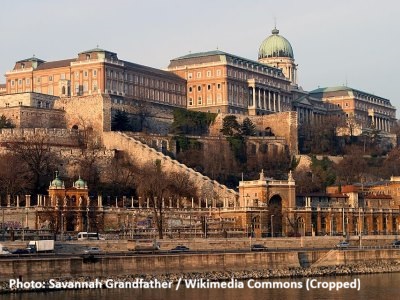
Commanding the highest, most majestic limestone ridge overlooking the winding Danube River, the colossal Buda Castle stands as the ultimate, soul-stirring heart of Budapest. This monumental Baroque palace complex curves elegantly above the city, its massive green dome cutting an iconic silhouette against the European sky. Walking across its grand stone terraces at night—as the entire city activates its glittering lights and suspension bridges far below—offers an extraordinarily romantic, cinematic, and unforgettable travel experience.

No structure on Earth captures the pure, untamed ambition of the French Renaissance quite like the world-famous, award-winning Château de Chambord. Built by King Francis I as a grand royal hunting lodge, this colossal architectural masterpiece features a spectacular, labyrinthine roofscape of hundreds of ornate towers, chimneys, and gables. Standing inside its central atrium to marvel at the legendary double-helix staircase—famously attributed to Leonardo da Vinci—delivers a genuinely jaw-dropping and bucket-list travel encounter.

Perced beautifully upon a jagged rocky island that sits perfectly nested within a vast, mirror-like lake, the magnificent Château de Chantilly is pure French romanticism. Rebuilt in the late 19th century for the Duke of Aumale, this pristine palace houses the Condé Museum, which holds France’s finest private collection of antique paintings outside the Louvre. Walking through its grand silk-lined galleries or along the elegant garden canals designed by André Le Nôtre offers an exceptionally gancy and high-art experience.
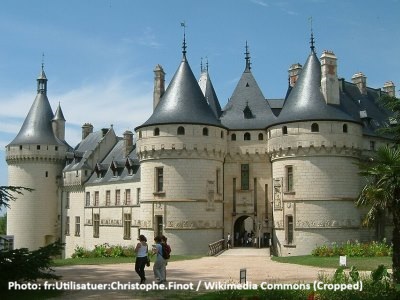
Dramatically anchored to a high mountain ridge overlooking the vast waters of the Loire River, the historic Château de Chaumont-sur-Loire looks like a real-life fairytale fortress. With its massive, round defensive towers, deep drawbridges, and dark crenellated battlements, it presents an imposing medieval silhouette that once belonged to Catherine de’ Medici. Today, the estate is globally celebrated for hosting the International Garden Festival, where avant-garde landscaping creations wrap beautifully around the ancient stone walls.
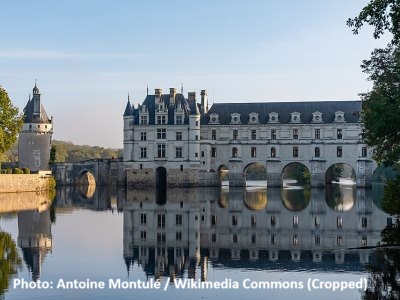
Gleaming elegantly across the entire width of the Cher River like a stone bridge of arches, the legendary Château de Chenonceau is one of the world’s most romantic sights. Affectionately known as the “Ladies’ Castle,” its design was shaped by historic women like Diane de Poitiers and Catherine de’ Medici. Walking through its grand, black-and-white tiled gallery spanning directly over the rushing water, or strolling through the symmetrical riverside flower parterres, provides travelers with an exceptionally magical and poetic journey.
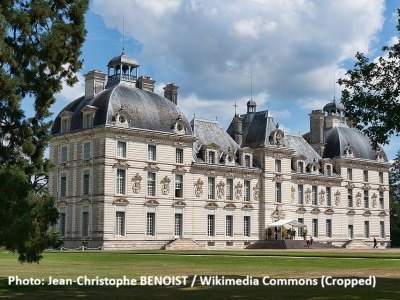
An absolute celebration of classic, symmetrical Louis XIII design, the magnificent Château de Cheverny stands as the most beautifully uniform and complete castle in the Loire Valley. Built from a unique, self-whitening local stone that glows brilliantly under the sun, it has remained in the same noble family for over six centuries. Inside, marvel at an untouched, exceptionally rich collection of 17th-century furniture, historic tapestries, and armor, making it an essential urban stop for exploring authentic French country life.

A wonderfully charming and intimate manor house built from rich pink brick and pristine white limestone, the elegant Clos Lucé Castle is a sacred sanctuary of global human imagination. Connected via a secret historical underground tunnel to the neighboring royal palace of Amboise, this was the final home of Leonardo da Vinci. Exploring its sun-drenched workshops—where his legendary engineering models and futuristic чертежи are beautifully displayed—offers an exceptionally moving and tranquil connection to history.

Perched precariously upon the edge of a dramatic, vertical volcanic cliff face overlooking the churning blue waves of the Firth of Clyde, the magnificent Culzean Castle is a Scottish icon. Designed by Robert Adam in the late 18th century as a lavish country palace, its heavy stone battlements hide an interior centered on a world-famous, oval grand staircase with Corinthian columns. Surrounded by massive emerald country parks and sea breezes, it offers a genuinely heart-stopping and romantic bridge between nature and royal art.
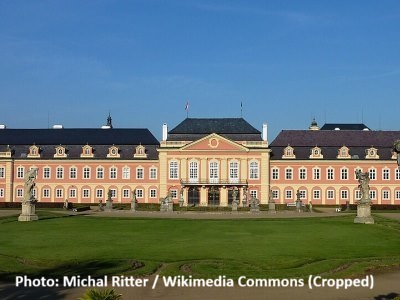
Exploding into the Central Bohemian countryside with a brilliant cascade of vivid pastel-pink facades and intricate Rococo stone decorations, the magnificent Dobříš Castle is an absolute jewel. Built by the noble Colloredo-Mannsfeld family, this grand French-style residence features a stunning mirror hall and opulent state suites. Stepping out into its meticulously manicured, multi-tiered French garden—where classical statues, geometric box hedges, and fountains mimic the lines of Versailles—offers a premium, slow-paced sanctuary.

Serving as a monumental, award-winning powerhouse of cultural heritage in the heart of Saxony, the grand Dresden Castle (Residenzschloss) is an absolute titan of architectural design. For centuries the seat of the Electors and Kings of Saxony, this massive Renaissance complex houses the legendary Historic Green Vault, the world’s richest royal treasury. Marveling at its beautifully reconstructed Sgraffito courtyards or climbing its high tower gallery treats travelers to a majestic panorama over the historic Elbe riverfront.

Spiraling into the misty northern skies of Sutherland like a French chateau dropped onto the rugged Scottish coast, Dunrobin Castle is a jaw-dropping architectural marvel. As the historic seat of the Earls and Dukes of Sutherland, its dramatic neogothic spires and sharp conical roofs cut an iconic silhouette against the North Sea. Take a walk down to its spectacular, low-altitude Victorian gardens—which sit nestled right along the beach edge—to watch majestic falconry displays while the crisp sea air rolls in.

Widely celebrated as Europe’s best-preserved Renaissance water castle, the fairytale Egeskov Castle sits beautifully anchored in the center of a small, quiet lake in Funen. Built entirely on a massive foundation of oak piles, its rugged red-brick walls feature delicate defensive conical spires, machicolations, and a working drawbridge. Strolling through its legendary labyrinthine gardens or exploring the historic interior rooms filled with antique toys and old hunting trophies provides an extraordinarily magical and timeless Scandinavian journey.

A breathtaking, neon-pink and pastel-blue Rococo jewel hidden within the sun-drenched hills of the Algarve, the Palácio de Estói is an absolute celebration of late 19th-century romantic design. This unique palace features an extraordinarily decorative facade adorned with marble busts, classical balconies, and intricate plasterwork. Relaxing within its multi-tiered azulejo-tiled gardens—where elegant stone fountains are framed by palm trees against a deep blue sky—delivers an exceptionally gancy and picturesque escape.

Commissioned by the Margravine Sibylla Augusta as a lavish, late-Baroque summer pleasure palace, Schloss Favorite stands proudly as the oldest German “porcelain palace.” This elegant, symmetrical residence features a unique exterior facade finished with rough, crushed gravel and stones, hiding an exceptionally rich interior. Inside, marvel at the breathtaking Florentine Room and the world’s largest collection of early Meissen porcelain, offering an unmatched look into the ultimate artistic luxury of the early 18th century.
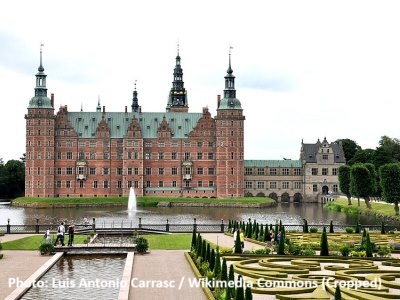
Rising majestically across three small islets in the center of the Castle Lake in Hillerød, the colossal Frederiksborg Castle stands as a monumental masterpiece of Danish Renaissance grandeur. Built by King Christian IV, this striking red-brick palace features highly ornate sandstone decorations, grand copper spires, and a spectacular Baroque garden with royal cascades. Exploring its grand Great Hall or the magnificent Castle Chapel—which houses the historic Danish royal coronation altars—offers an unforgettable journey into Scandinavia’s golden age.

Tucked quietly away along the edge of Lisbon’s lush Monsanto Forest, the historic Palácio dos Marqueses de Fronteira is an absolute hidden masterpiece of 17th-century noble design. While its red-toned palace rooms house priceless furniture, the estate is world-famous for its majestic, tile-lined garden terraces. Standing beside the iconic King’s Gallery tank—where a massive stone wall features blue-and-white azulejo tile panels depicting equestrian knights—treats travelers to a deeply historic and awe-inspiring connection to old Portuguese pride.

Dramatically anchored to a lush, rolling green ridge within a scenic country park in Flanders, the historic Gaasbeek Castle offers an incredibly romantic escape into medieval heritage. Originally built in 1236 as a defensive fortress, its heavy stone walls and round corner bastions were later transformed into a luxurious, neogothic dream palace. Exploring its atmospheric interior rooms—which hold a world-class collection of ancient tapestries, historic paintings, and rare silverware—feels like entering a timeless world of old-world Belgian romance.
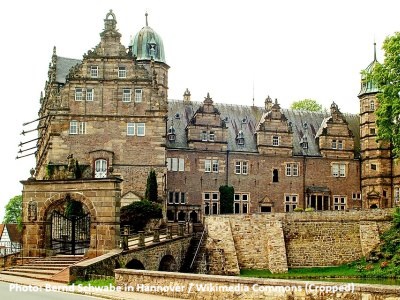
Standing tall as an absolute pinnacle of the Weser Renaissance style, the magnificent, fully intact manor castle of Hämelschenburg is a sight to behold. Built from rich local stone between 1588 and 1613, its stunning symmetrical facade features highly decorative octagonal stairs towers, ornate gables, and elegant stone balconies. Walking past its historic watermill and crossing the ancient stone bridge into its quiet courtyard delivers an extraordinarily authentic, slow-paced journey into the heart of old German country nobility.
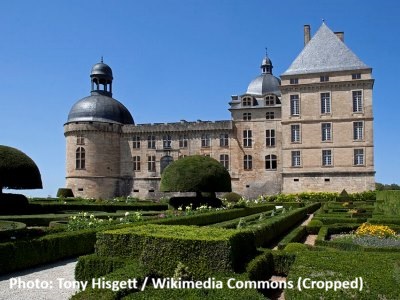
Perched beautifully like a grand stone crown atop a high ridge overlooking the Périgord noir valley, the spectacular Château de Hautefort is pure French elegance. This grand medieval fortress was completely transformed in the 17th century into a magnificent, classical palatial residence capped by striking dome-roofed towers. Stepping out onto its sweeping stone ramparts to gaze down upon its world-famous, perfectly sculpted geometric boxwood gardens offers an extraordinarily premium, high-quality connection to French history.
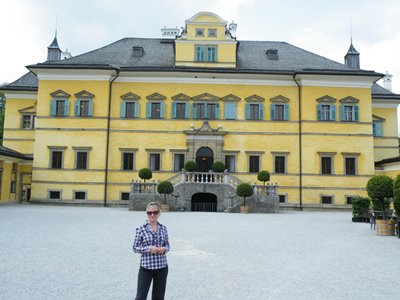
Built at the foot of the scenic Hellbrunn mountain in Salzburg by Prince-Archbishop Markus Sittikus, this elegant, bright yellow Baroque palace is world-famous for pure fun. The estate features a legendary, completely intact labyrinth of Wasserspiele (Trick Fountains) hidden inside stone grottos, mechanical theatres, and marble tables. Getting playfully sprayed by a sudden, hidden water jet while exploring these grand manicured grounds delivers a truly joyful, laugh-filled, and unforgettable travel encounter.

Boasting an exceptionally iconic, honey-colored Jacobethan sandstone facade, the world-famous Highclere Castle stands proudly as the ultimate symbol of grand British pride and television heritage. Famously serving as the definitive filming location for Downton Abbey, this colossal, 300-room masterstroke by Sir Charles Barry cuts a magnificent silhouette against 1,000 acres of parkland designed by Capability Brown. Strolling through its sweeping library and state rooms provides an exceptionally rich, premium taste of classic English country life.
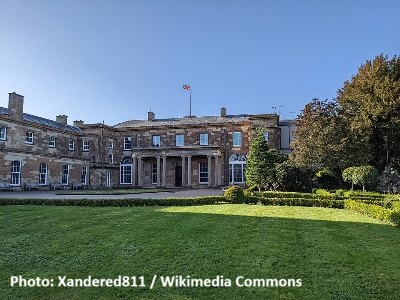
Nestled right within 100 acres of breathtaking, manicured royal gardens in County Down, the elegant Hillsborough Castle stands as the official royal residence of the British monarch in Northern Ireland. Built in the late 18th century as a grand Georgian country mansion, its refined stone facade houses magnificent state rooms where historic peace talks have regularly taken place. Walking past its blooming rose gardens, quiet lake paths, and formal drawing rooms offers a wonderfully serene, regal, and authentic look into the United Kingdom’s modern heritage.
* All images on this page are sourced from Wikimedia Commons and used in accordance with their respective Creative Commons licenses. Individual author credits are indicated directly on each photograph.